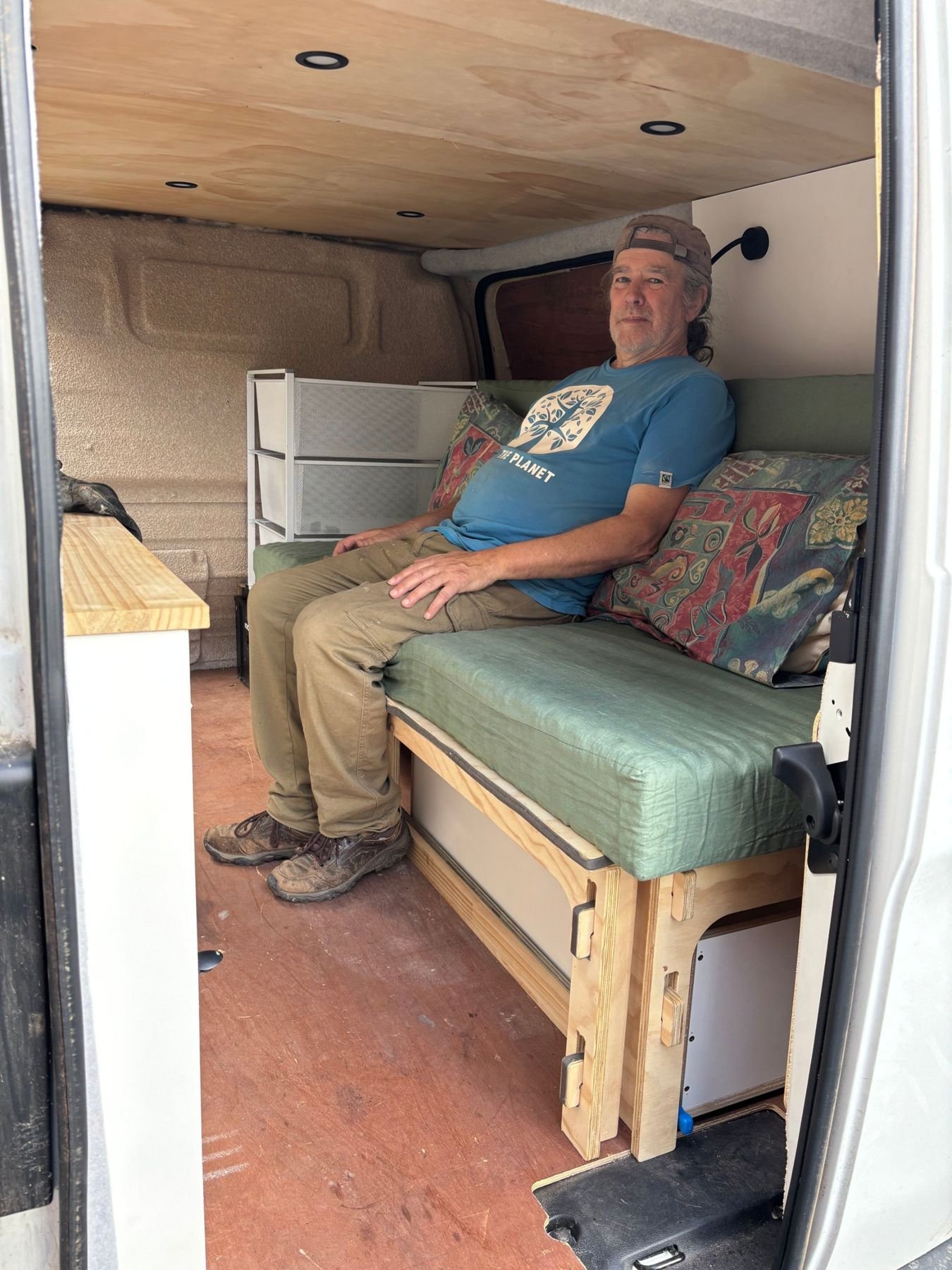
01 · Living area
The couch stays in
Even when the bed comes out for the bikes, there's still somewhere to sit.
The van
We bought an electric van for my husband's handyman work. I designed a fit-out for it that weighs under 150 kg, runs off a battery, and lifts out whenever he needs the van back. Our van is a 2022 Citroën e-Dispatch, which doesn't have power outlets running off the car's battery (called V2L). So we installed a 2.4 kWh battery that trickle-charges from the van's cigarette lighter socket. Most EVs now have V2L built in, which makes it even easier. Here's how it all works.
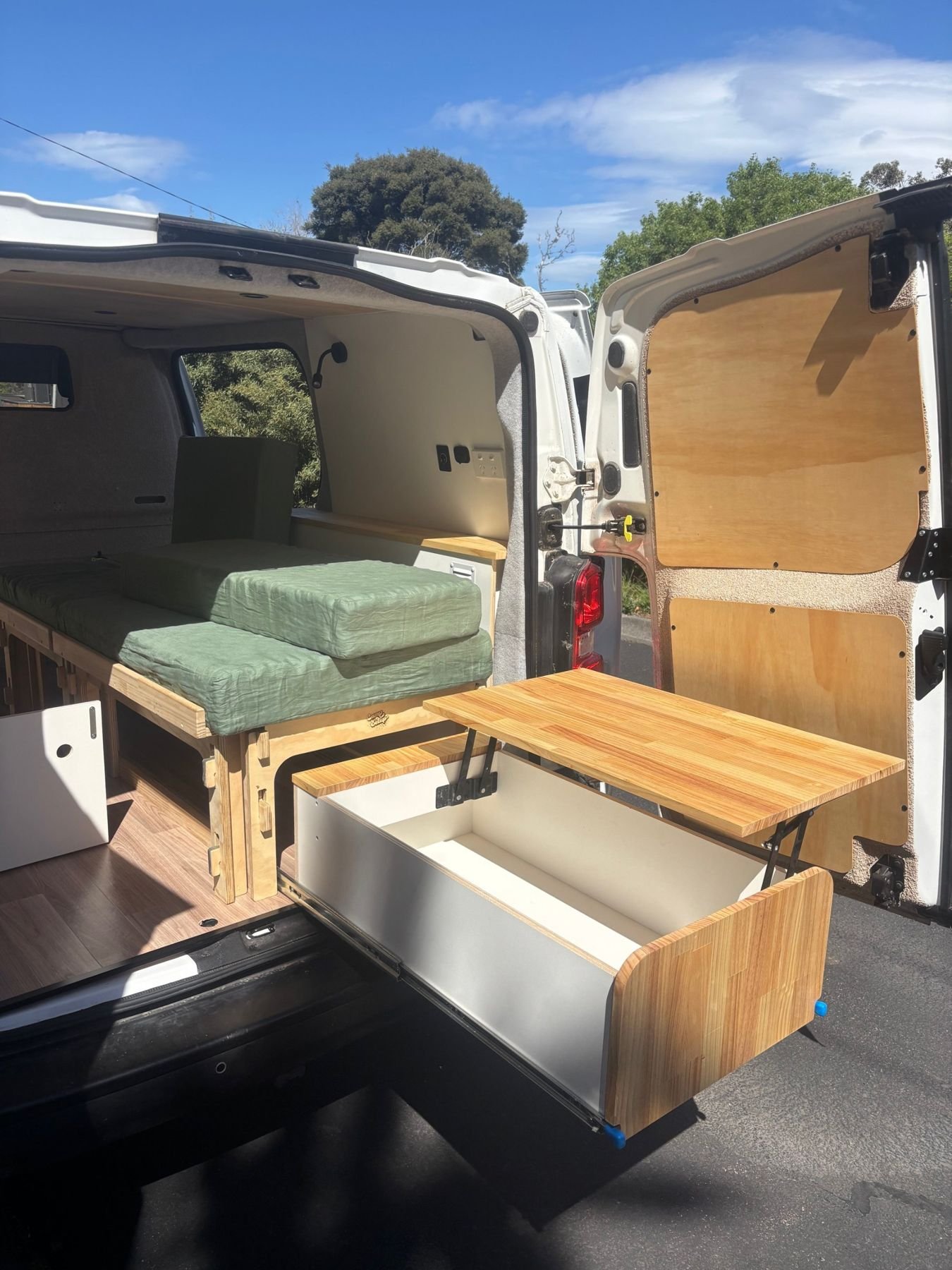
The pull-out drawer with its lift-up table.
Photo tour
Here's the van one area at a time.
01 · Living area
Even when the bed comes out for the bikes, there's still somewhere to sit.
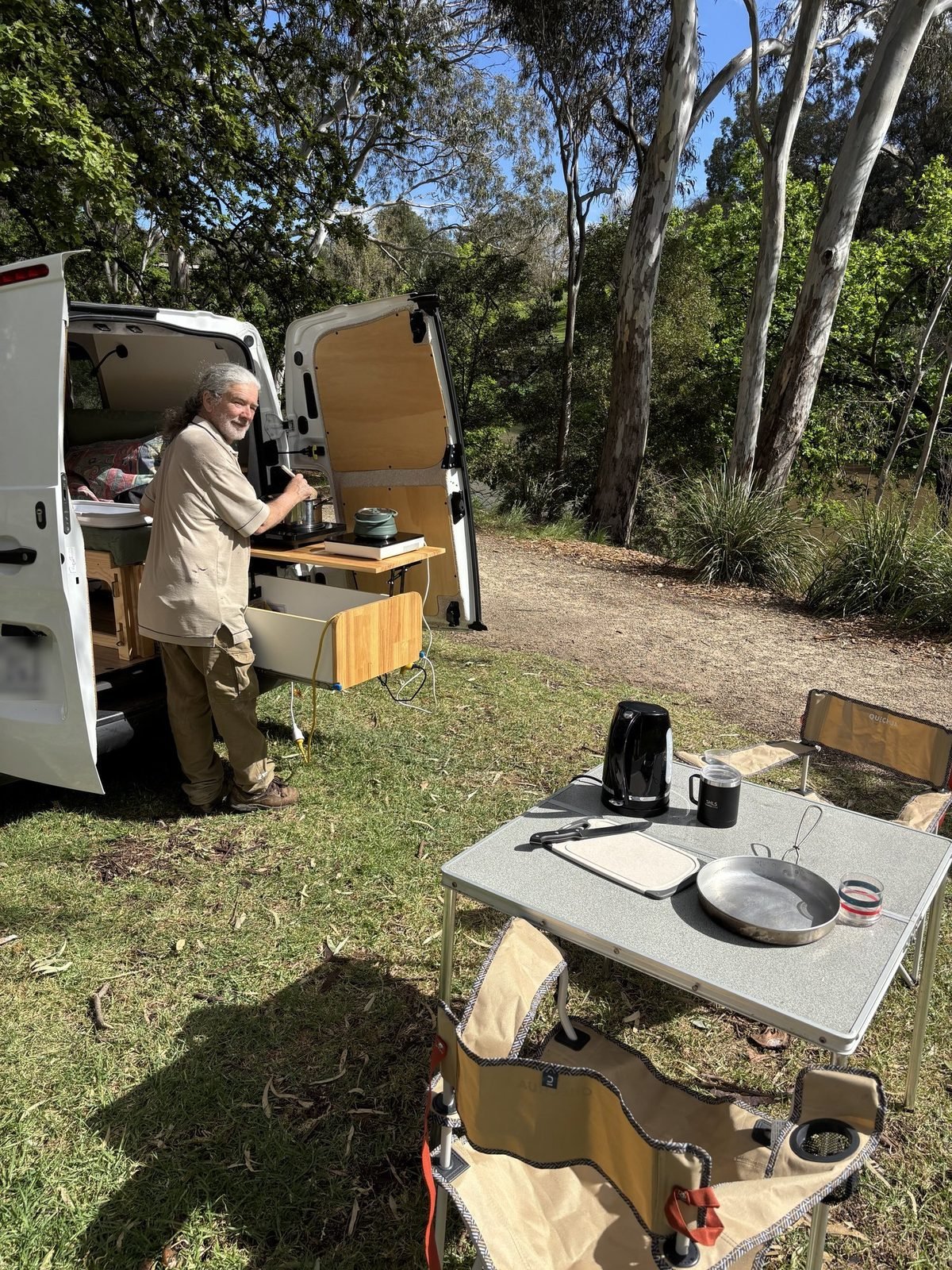
02 · Kitchen
The cooktop, kettle and fridge plug into the battery, so they sit wherever suits.
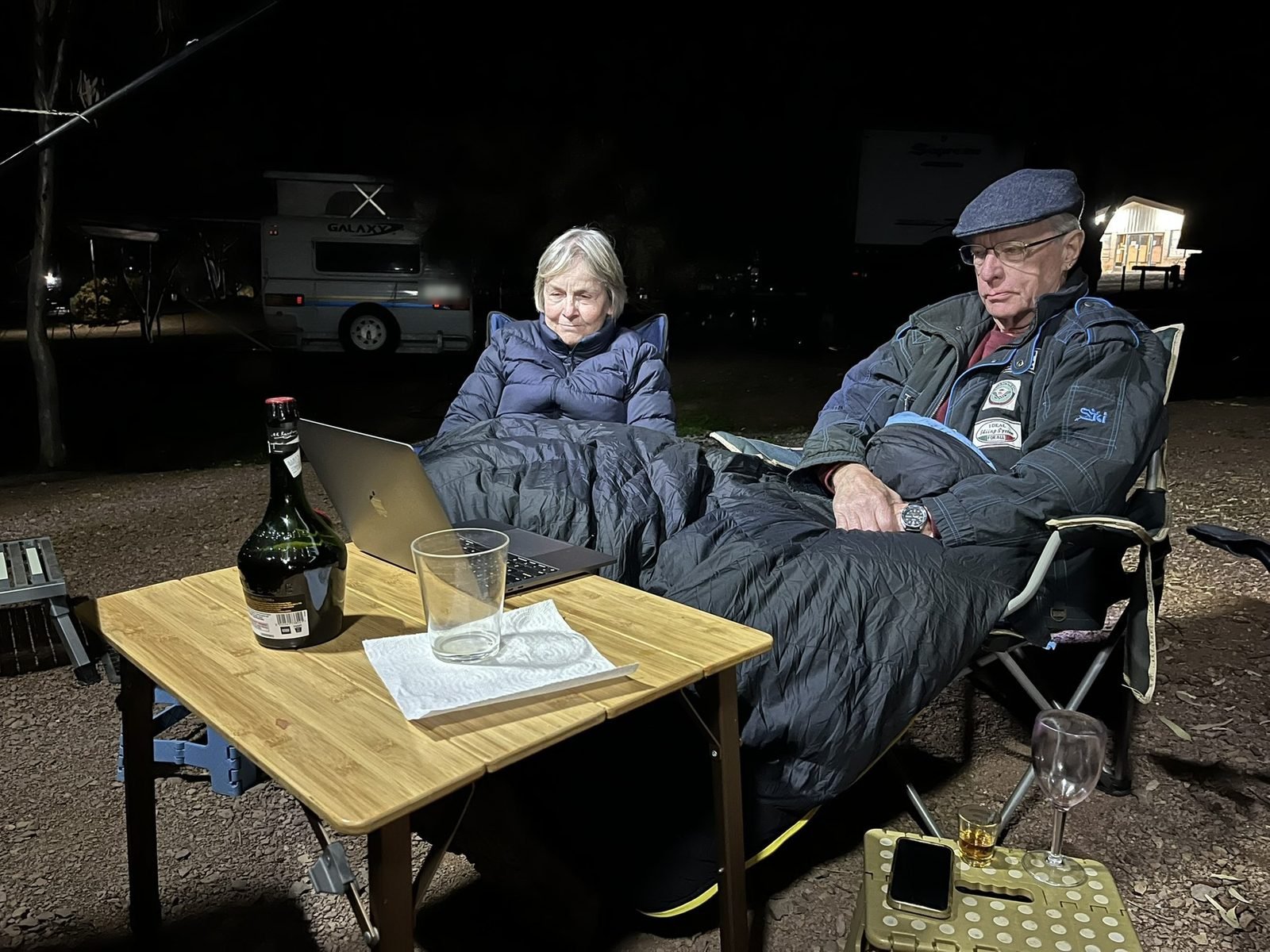
03 · Power
Lighting, cooking, heating, even watching TV. And a power lead can reach wherever you want to cook, or add extra lighting or heating.
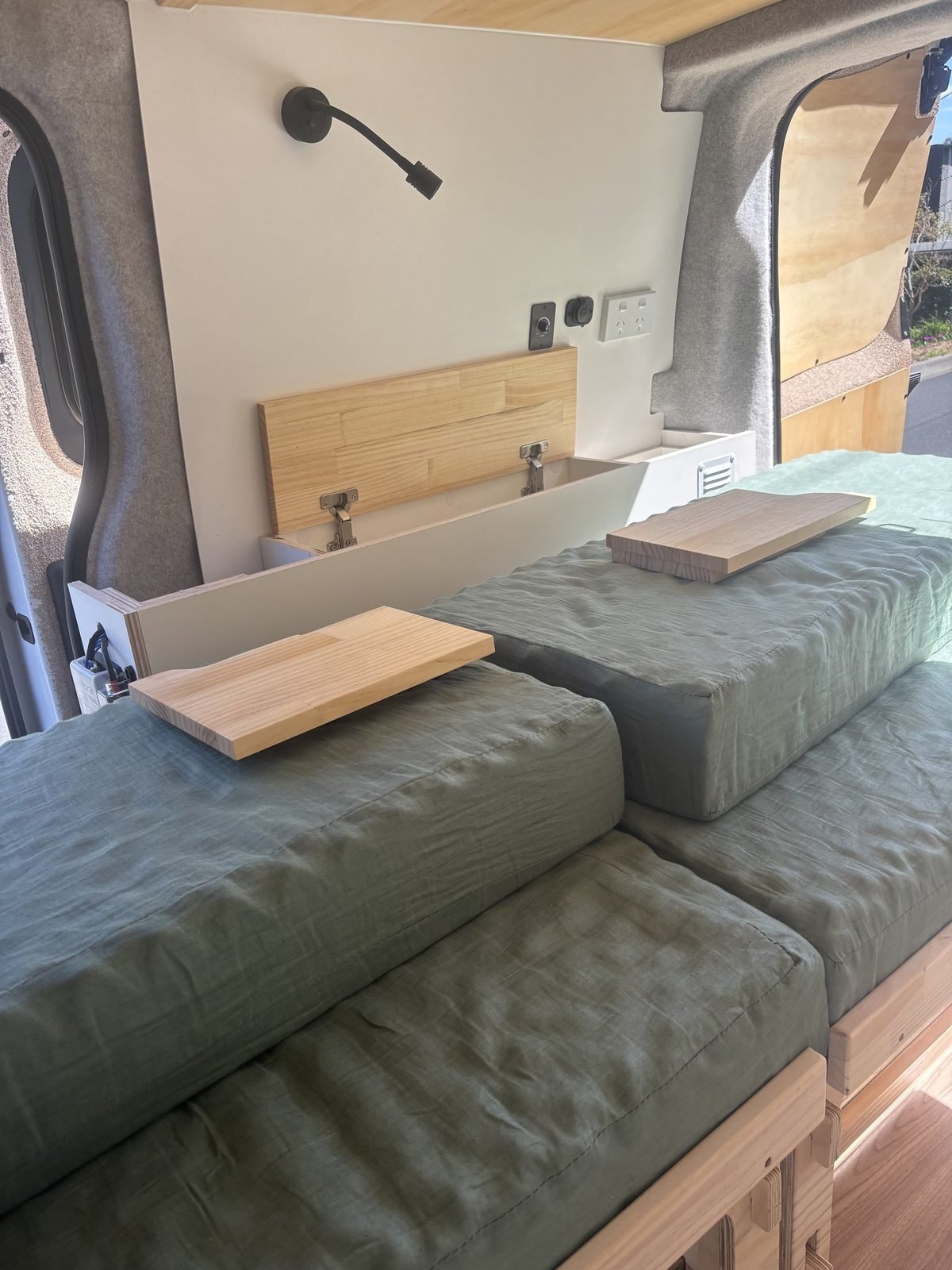
04 · Bed
Part of the bed lifts out to make room for our eBikes.
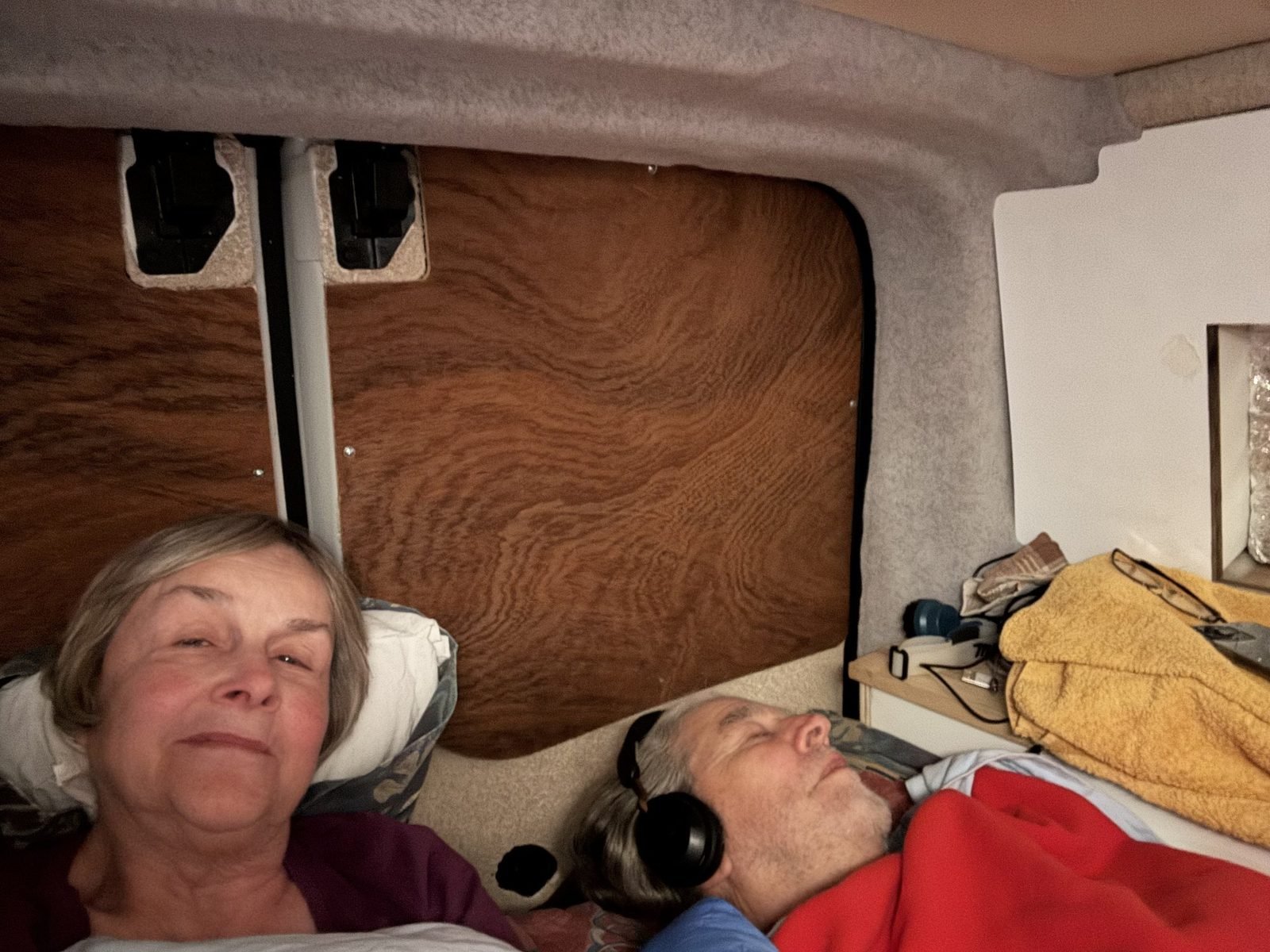
05 · Lighting and windows
Lights and openable windows with coverings, all running off the same battery as everything else.
The numbers
These are the numbers people ask me about most: what the fit-out weighs, what charging cost on the road, and how little looking after the van needs.
My build rules
Every part of the fit-out had to meet the same few rules. They're why it's light, modular and sustainable, and has nothing burning inside.
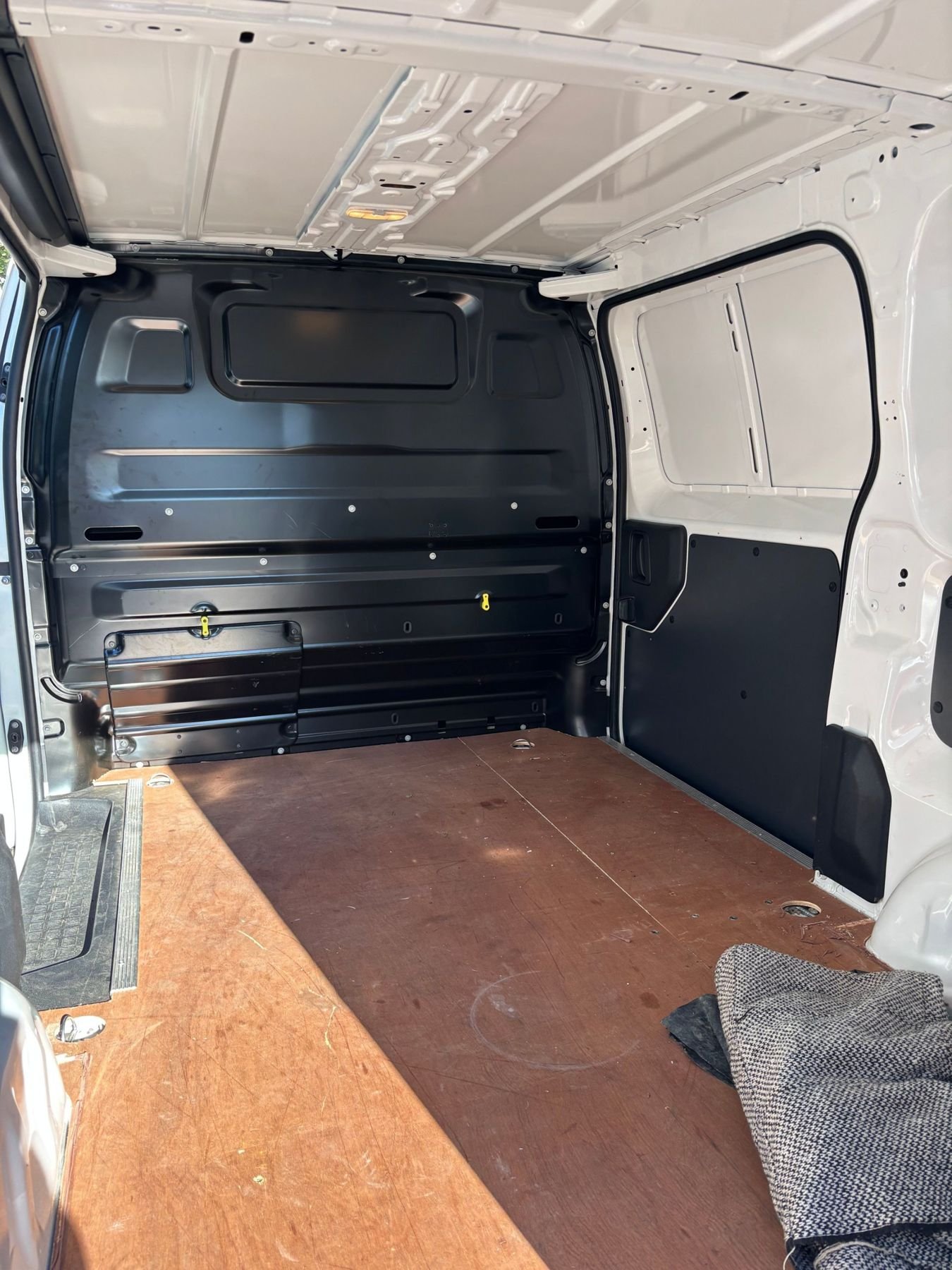
01 · Modular
Only two units are fixed, so the van can still do its day job and make room for bikes.
02 · Sustainable
Cork and lambswool insulation for warmth and moisture control, sustainably produced pine, and a food-safe timber sealant.
03 · All electric
No gas, no flames and no fuel on board. Cooking, lighting and heating all run off the battery.
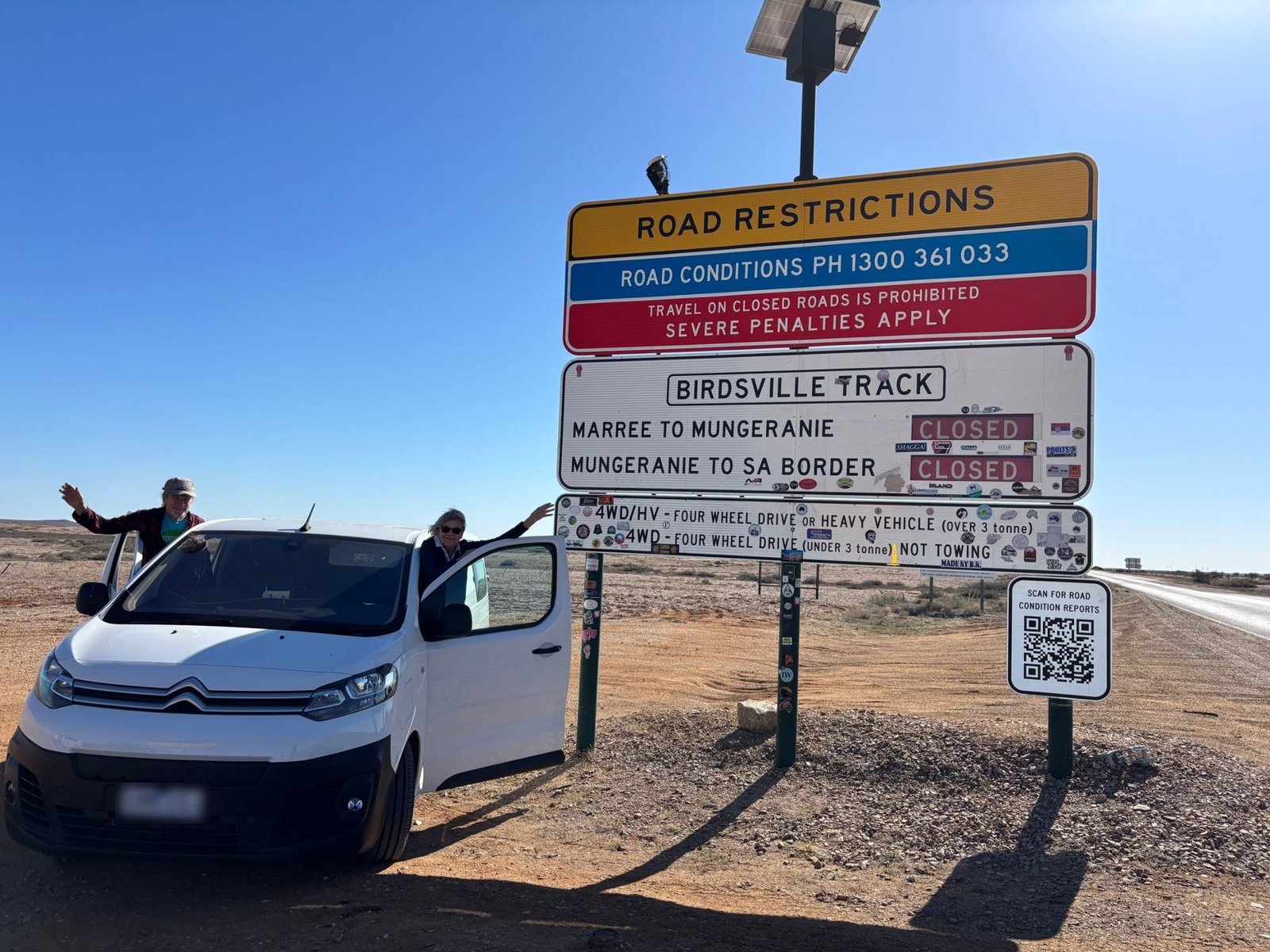
Next: putting it to the test
The van's very first trip was 3,500 km through outback South Australia. We cooked, slept, dressed and cleaned in it for three and a half weeks. No range anxiety, about $270 in charging, and not one problem with the campervan.
Follow the trip →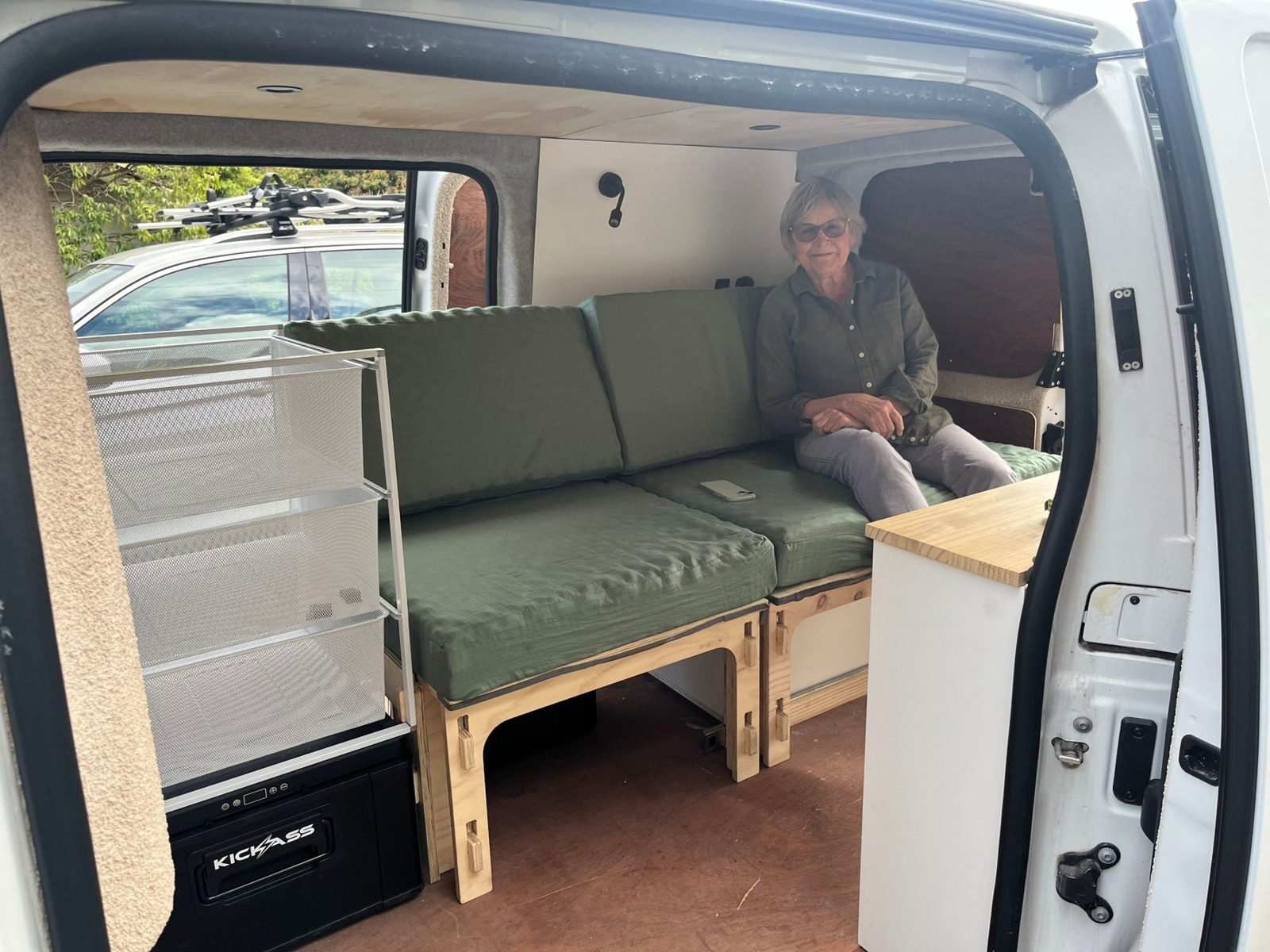
Ask Kay
If you're stuck on a layout, a material or a part, send me a question. I'm happy to help, and I'll get back to you.