My electric campervan journey

Going electric is easier than you think

Over the past fifteen years I've electrified my home, my cars and, most recently, a campervan. This site shows how easy an electric van conversion can be, why it's worth doing, and how to build your own.

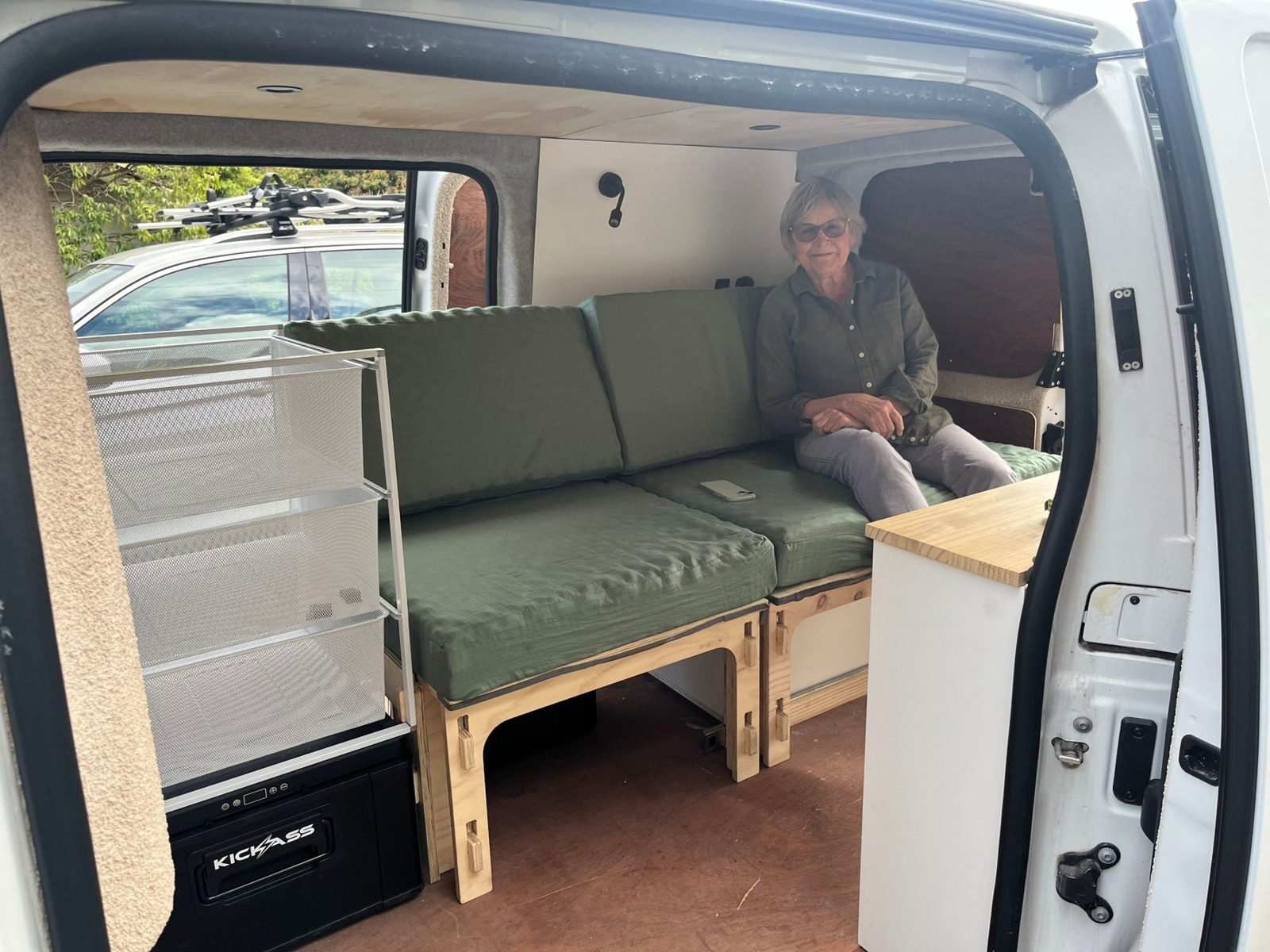
Kay sitting inside her finished electric campervan, smiling, with green bench cushions and a plywood frame

Who am I

Hi, I'm Kay

I'm an engineer and climate change activist. I've spent years assessing how efficiently homes and buildings use energy. For the past fifteen years, my main passion has been acting on climate change. I've been electrifying my life and showing people how rewarding and easy it can be.

Read my story →
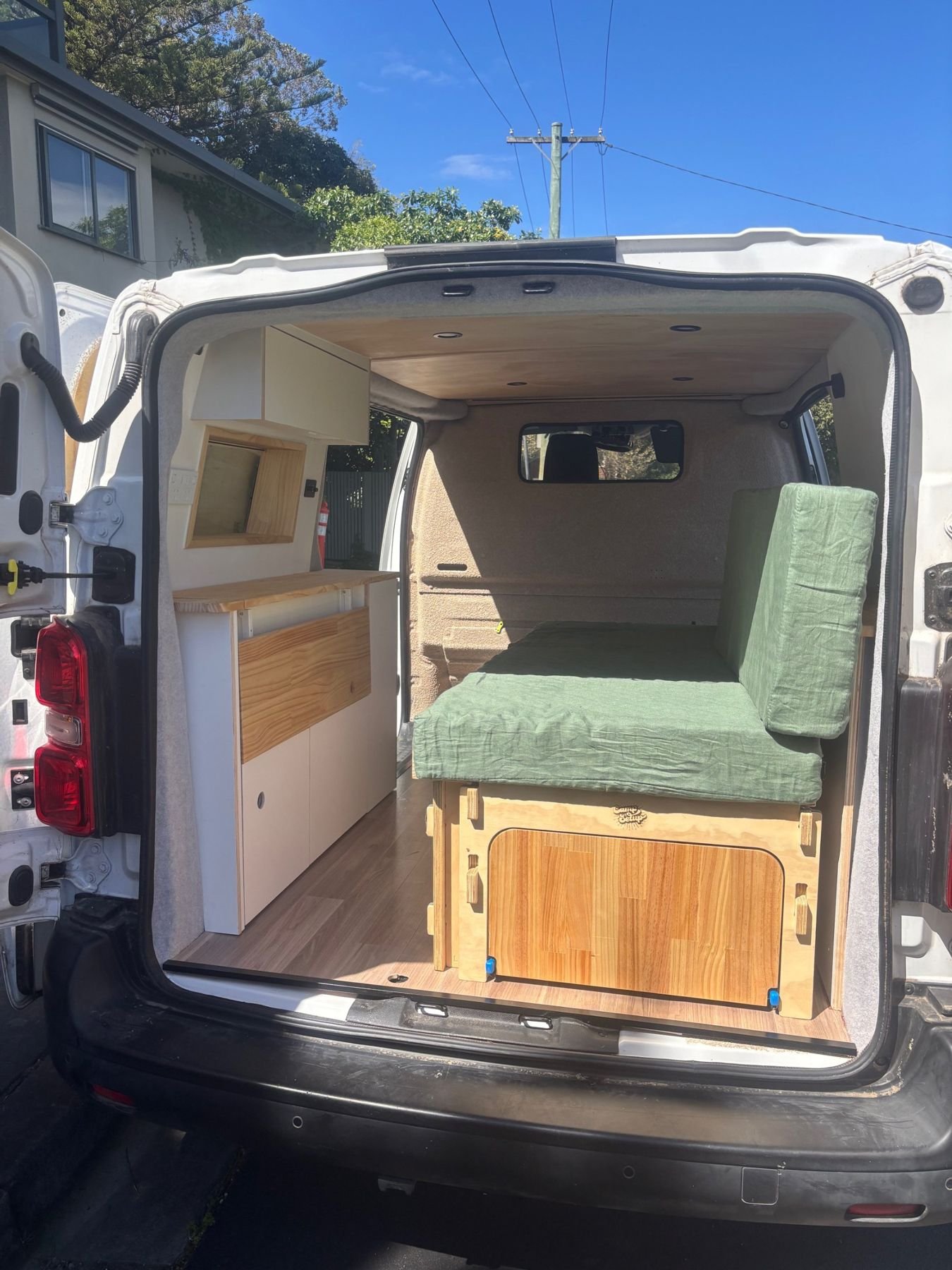
The campervan from the back: kitchen bench on the left, green couch on the right, timber ceiling and floor

The van conversion

Building the van

Next came the campervan. We'd bought an electric van for my husband's handyman work in 2023, so I designed a modular fit-out that lifts out whenever he needs it. It weighs under 150 kg, runs everything off a battery, and has no gas on board.

Explore the build →
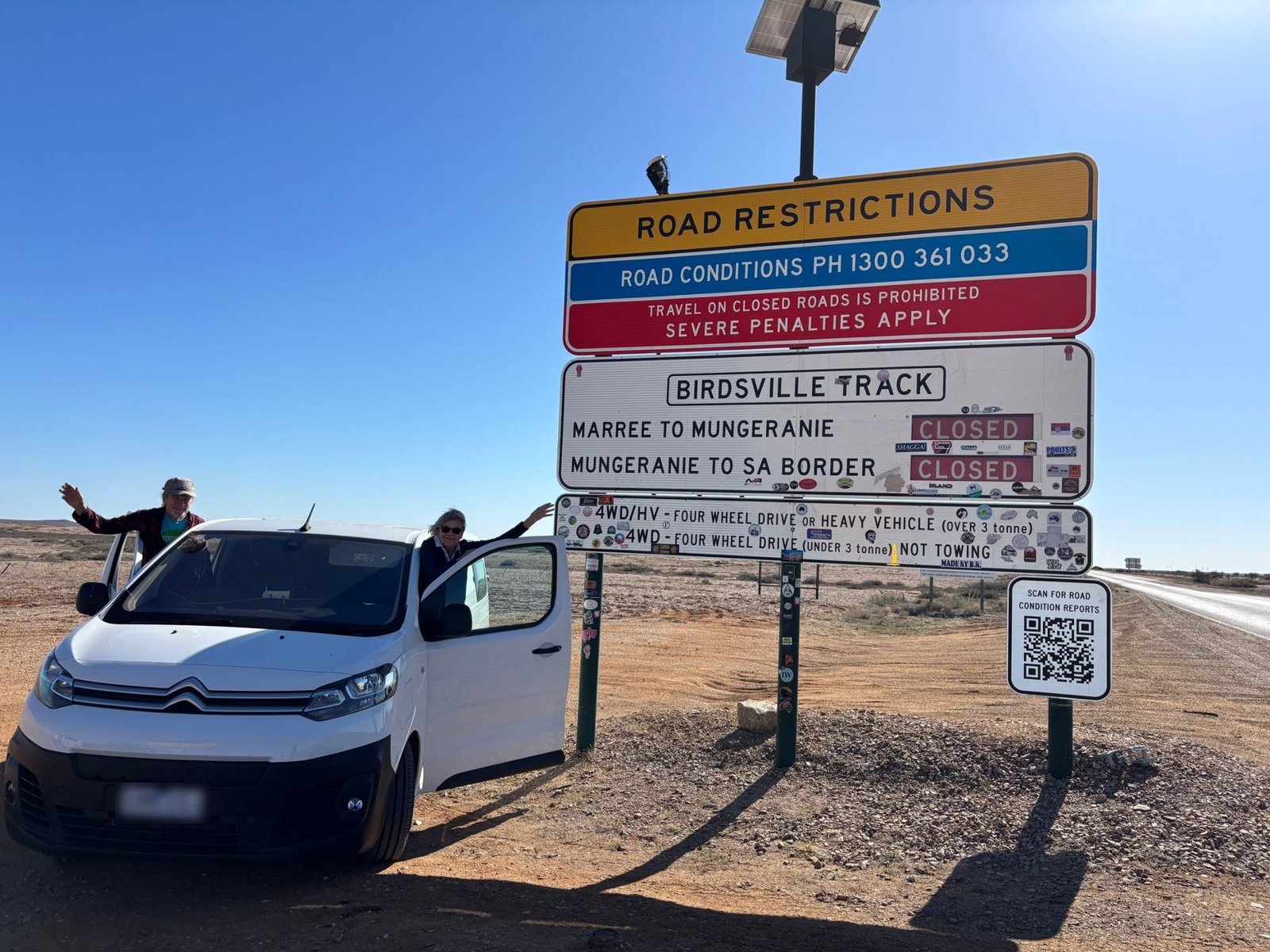
Kay and her husband waving from the van beside the Birdsville Track road sign in outback South Australia

Putting it to the test

The Lake Eyre trip

Then we took it 3,500 km to Lake Eyre and back, on the van's very first trip. No range anxiety, about $270 in charging, and not one problem. Now I want to help you do your own.

Follow the trip →

Benefits of an electric campervan

Safer, cheaper, easier, healthier

Safer

No gas bottles, no open flames and no fuel on board. Cooking, lighting and heating all run on electricity.

Cheaper

No gas lines, valves or cabling to install, and no gas locker or special venting. That means none of the extra space, certification and installation costs a gas system brings.

Easier

The battery supplies 240V power. Plug in the cooktop, kettle or fridge wherever it suits. And it only needs a service every 40,000 km or two years.

Healthier

Nothing burning in a small space means cleaner air where you cook and sleep. And it's another step towards keeping a habitable planet.

The real numbers

What it actually costs

These are the numbers people ask me about most: what the fit-out weighs, what charging cost on the road, and how little an electric van needs.

See how I built it →
<150kg
The whole fit-out. Most conversions start at 600 kg.
$270
Charging for the whole Lake Eyre trip, including some free overnight charging at caravan parks. A diesel 4WD towing a caravan: about $1,220.
339km
Official range (WLTP) from a 75 kWh battery. About 275 km at highway speeds.
0
Problems with the van in 3,500 km.
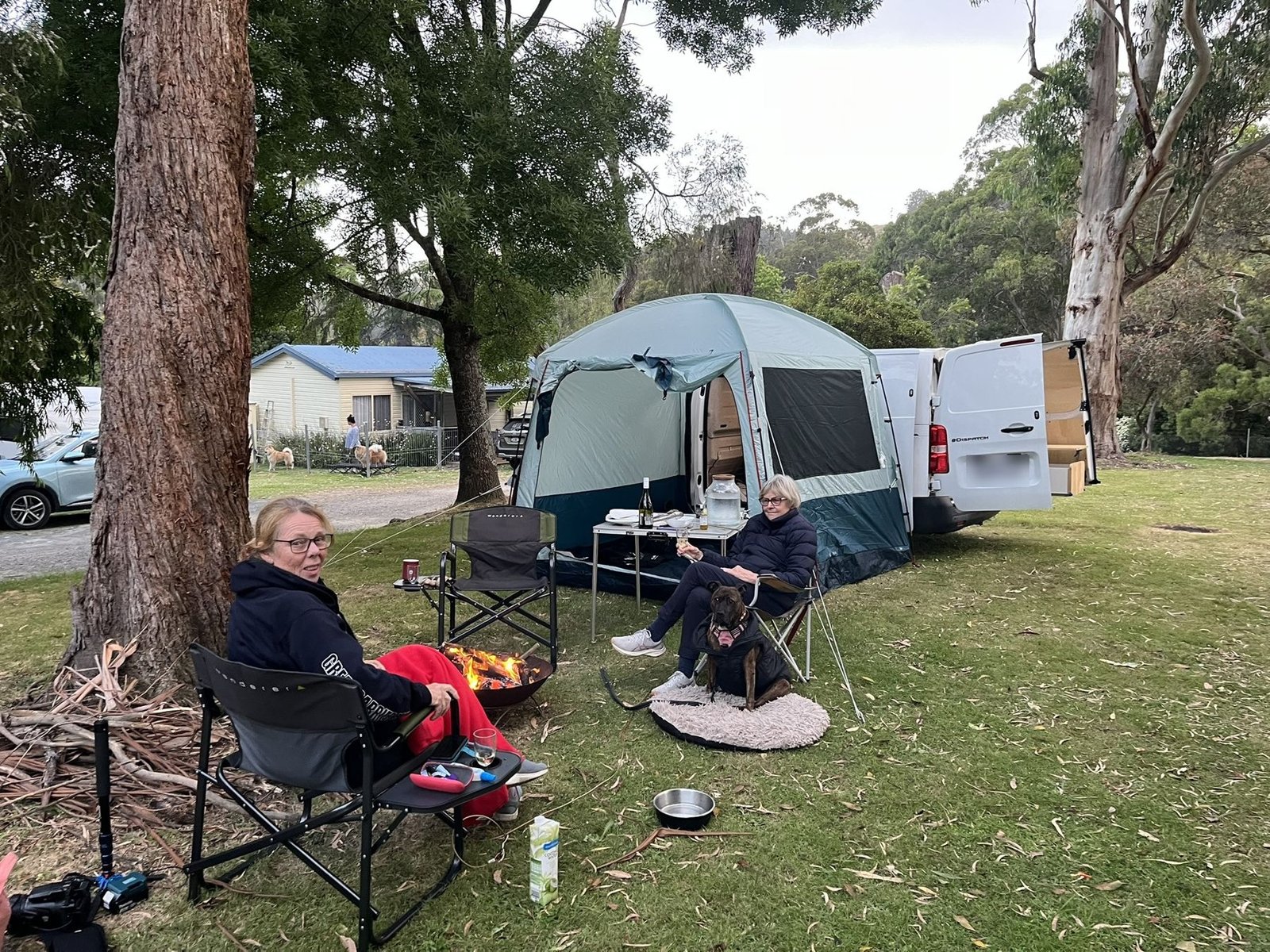
Camping in the bush: the van with a tent off the back doors, chairs round a fire and a dog on its cushion

eBikes + adventures

The electric campervan lifestyle

Take out the bed, leave the couch, and put in your bikes or surfboards, and it's a day camper. The van gets us to the destination, and our eBikes do the exploring.

Get ideas for your next adventure

Common worries

The three things people ask me most

Read the FAQs →

Range

We drove 3,500 km through outback South Australia without a moment of range anxiety.

Charging

Across NSW, Victoria and SA, fast chargers are usually about 200 km apart. 

03 · Cost

Our whole Lake Eyre trip cost about $270 in charging, including some free overnight charging at caravan parks. A diesel 4WD towing a caravan would have spent about $1,220 on fuel.

Kay smiling inside her campervan

Ask Kay

Thinking about your own electric van?

Whether you're planning a full conversion or just wondering if your EV could take you camping, I'm happy to help. Send me a question and I'll get back to you.

Ask Kay a question →